Best Grass and Clover Options for High-Traffic Lawn Areas, and How to Protect Them
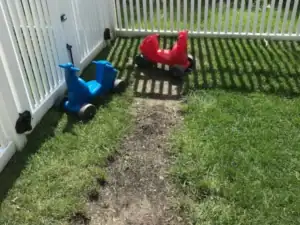
Every yard has a spot that takes more abuse than the rest.
The first few feet off the patio.
The bottom of the deck stairs.
The path to the shed.
The area under the swingset.
The shortcut from the driveway to the backyard.
These spots are frustrating because they are usually easy to see. They are not hidden in the back corner of the yard. They are right where people gather, walk, play, and look.
So when the grass thins out, turns to dirt, or becomes a muddy mess after rain, most homeowners start looking for a better ground cover.
The natural question is:
“What should I grow here that can actually handle traffic?”
For most suburban yards, the realistic answer is not creeping thyme, moss, gravel, or some unusual groundcover. If you want the area to still look and function like lawn, your best choices are usually a traffic-tolerant grass, a grass and clover mix, or a reinforced living surface.
This guide breaks down the best grass and clover options for high-traffic lawn areas, where each one makes sense, and how DuraGrass can help protect the spots that keep wearing down.
How to fix high-traffic lawn areas that won’t grow back
Why High-Traffic Lawn Areas Fail
High-traffic lawn damage usually starts in concentrated spots.
That is why the area right off the patio often looks worse than the rest of the yard. Everyone steps there first. Kids run through it. Guests gather there. The mower crosses it. Patio furniture may get dragged over it. Over time, that one section gets far more pressure than the surrounding lawn.
The same thing happens in front of a shed. Mowers, carts, and foot traffic move in and out through the same small area.
Under a swingset, the damage is even more concentrated. Feet drag, land, push, and repeat in the same spots.
Over time, that traffic can:
- Wear down grass blades
- Damage the crown of the plant
- Compact the soil
- Reduce water and air movement
- Make it harder for roots to grow
- Prevent new seed from establishing
That is why reseeding alone often fails.
You may get new growth for a while, but if the same traffic pattern continues, the same spot often wears back down to soil.
First, Be Honest About the Area
Before choosing grass seed, sod, clover, or reinforcement, look at how the area is actually used.
Ask yourself:
- Is this a daily walking path?
- Is this where people step off the patio or deck?
- Is this where the mower turns?
- Is this where kids run, swing, or land?
- Does this area get enough sun for grass to grow?
- Does water drain, or does it sit after rain?
- Is the soil hard and compacted?
This matters because not every lawn problem is really a plant problem.
Sometimes the grass type is wrong for the climate. Sometimes the soil is compacted. Sometimes shade is the issue. Sometimes the area gets so much repeated traffic that almost any living ground cover will struggle without protection.
The goal is not just to pick a tougher plant.
The goal is to create a better system for the spot that keeps failing.
Best Cool-Season Grass Options for High-Traffic Lawn Areas
Cool-season grasses are common in northern states and many transition-zone lawns. They tend to grow most actively in spring and fall, and many can slow down or go dormant during hot summer stress.
If you live in a cool-season region, these are the main grass types homeowners are likely to see in seed mixes or sod.
Tall Fescue
Tall fescue is one of the most practical cool-season grasses for many suburban lawns.
It has a deeper root system than some other cool-season grasses, handles heat better than many northern lawn grasses, and can perform well in full sun with some tolerance for light shade. It is commonly available as seed and sod, which makes it easy for homeowners to find.
Tall fescue is often a good choice for families who want a traditional lawn that can handle normal backyard use.
But it has a limitation.
Tall fescue is a bunch-type grass, which means it does not spread aggressively to repair bare spots. If the area near your patio or shed gets worn down repeatedly, tall fescue may need overseeding or reinforcement to keep the spot from opening back up.
Best for:
Cool-season and transition-zone lawns where homeowners want a durable, familiar lawn surface.
Watch out for:
Repeated wear in the same spot. Tall fescue can be tough, but it does not magically fill in a beaten-down path.
Kentucky Bluegrass
Kentucky bluegrass is valued because it spreads through underground rhizomes. That spreading habit can help it recover from some wear and fill in thin areas when conditions are good.
That makes it useful in some high-quality lawn mixes, especially in cooler climates.
The tradeoff is maintenance.
Kentucky bluegrass often needs more water, more care, and better growing conditions than many homeowners expect. It can also struggle during hot, dry summers without irrigation.
For a visible backyard lawn where appearance matters, Kentucky bluegrass can be a strong option in the right region. But if the area gets repeated foot traffic in one concentrated spot, it may still need protection.
Best for:
Cooler climates where homeowners want a dense, attractive lawn that can recover from some wear.
Watch out for:
Heat, drought, and maintenance needs.
Perennial Ryegrass
Perennial ryegrass shows up in many grass seed mixes because it germinates quickly.
That makes it useful when you want fast green cover in a thin or damaged area. It can help a repair area look better sooner, especially when blended with other cool-season grasses.
But perennial ryegrass does not spread aggressively. If it gets worn out in one spot, it usually will not fill itself back in the way Kentucky bluegrass can.
That means perennial ryegrass is often better as part of a mix than as the main answer for repeated wear.
Best for:
Fast repairs, overseeding, and cool-season seed mixes.
Watch out for:
Repeated traffic zones where the grass needs to recover and spread over time.
Best Warm-Season Grass Options for High-Traffic Lawn Areas
Warm-season grasses are common in southern states and some transition-zone lawns. They grow most actively in warm weather and typically go dormant and turn brown in cooler weather.
If you live in a warm-season region, bermudagrass and zoysiagrass are two of the strongest natural lawn options for traffic.
Bermudagrass
Bermudagrass is one of the toughest warm-season grasses for sunny, high-use areas.
It spreads aggressively through above-ground stems and underground rhizomes, which helps it recover when it is actively growing. That is one reason bermudagrass is used in many athletic fields, parks, and high-use lawns in warm climates.
For a sunny backyard where people walk, play, and gather, bermudagrass can be a strong choice.
But it needs sun. Bermudagrass is not a good answer for shaded areas near trees, fences, or covered patios. It also goes dormant and turns brown in cooler weather. During dormancy, it is not actively repairing itself, so concentrated wear can still cause damage.
Best for:
Sunny, warm-climate lawns that get regular use.
Watch out for:
Shade, winter dormancy, and spreading into beds if not managed.
Zoysiagrass
Zoysiagrass is another warm-season grass that can form a dense, durable lawn once established.
It has a thick, carpet-like growth habit and can handle wear better than many natural ground covers. It can also tolerate a little more shade than bermudagrass in some situations, though it still prefers sun.
The biggest downside is that zoysiagrass is slower to establish.
If you are trying to repair a worn area quickly, zoysiagrass may test your patience. It is often installed as sod or plugs, and it can take time to fill in.
Like bermudagrass, zoysiagrass also goes dormant and turns brown in cooler weather. When it is dormant, it has less ability to recover from repeated traffic.
Best for:
Warm-climate or transition-zone lawns where homeowners want a dense, durable lawn surface.
Watch out for:
Slow establishment and dormant-season wear.
Where Clover Fits
Clover comes up more and more often in lawn conversations, and for good reason.
White clover can stay relatively low, add nitrogen to the soil, support pollinators when flowering, and help create a more natural-looking lawn. For homeowners who are tired of fighting for a perfect turf-only lawn, clover can be an appealing option.
Clover can work well as part of a mixed lawn, especially where the traffic is moderate and the homeowner is comfortable with a less traditional look.
But clover is not a magic fix for high-traffic lawn damage.
The area right off the patio can still wear down. The shed entrance can still get beaten up. The ground under a swingset can still thin out. Clover may be part of a more resilient living surface, but it does not eliminate the problem of repeated pressure in the same spot.
Also, clover flowers can attract bees. That may be a benefit in some yards, but it may not be ideal directly under a playset or in areas where kids regularly run barefoot.
Best for:
Mixed lawns, moderate-use areas, and homeowners who want a more natural lawn look.
Watch out for:
Heavy repeated wear, flowering in play areas, and a different appearance than traditional grass.
Should You Use Grass Seed, Sod, or Plugs?
Once you know the type of grass that fits your region, the next question is how to install it.
Grass Seed
Seed is usually the most affordable option and is easy for DIY homeowners to buy. It works well for overseeding, repairing thin areas, and improving larger sections of lawn.
The downside is that seed needs time. New grass is fragile, and it should be protected from traffic while it establishes. If people walk across it too soon, the repair can fail before the roots are strong enough…unless there is a protective layer above it.
Sod
Sod gives you an immediate lawn surface, which can be appealing for visible areas near patios or decks.
But sod is not instant durability. It still needs time to root into the soil below. If the area gets heavy traffic too soon, the sod can thin, shift, or fail.
Plugs
Plugs are more common with some warm-season grasses, especially zoysiagrass. They can be a practical way to establish grass over time, but they are slower than sod and require patience while the area fills in.
For most homeowners trying to fix a visible worn spot, the choice usually comes down to seed or sod. Either can work, but neither solves the problem if repeated wear continues in the same small area.
The Real Problem Is Usually Concentrated Wear
Here is the part most lawn advice misses.
You may already have the right grass for your region.
The real issue may be that one small area is taking too much abuse.
That is especially true in the places DuraGrass customers usually care about most:
- The first few feet off the patio
- The bottom of deck steps
- The path to the shed
- The area where the mower enters and exits storage
- The worn zone under a swingset
- The shortcut across a backyard
These are not whole-lawn problems. They are concentrated wear problems.
That is good news, because it means you probably do not need to renovate the entire yard. You need to protect the specific area where the lawn keeps breaking down.
Reinforce Your Choice with DuraGrass
Most grass and clover options can handle some use, but repeated wear is where they start to struggle.
That is true for tall fescue. It is true for Kentucky bluegrass. It is true for bermudagrass and zoysiagrass when they are dormant or stressed. It is true for clover blends too.
The problem is not always the plant choice. Sometimes the plant simply needs protection at the base so it has a better chance to regrow.
DuraGrass hybrid turf is designed to do just that.
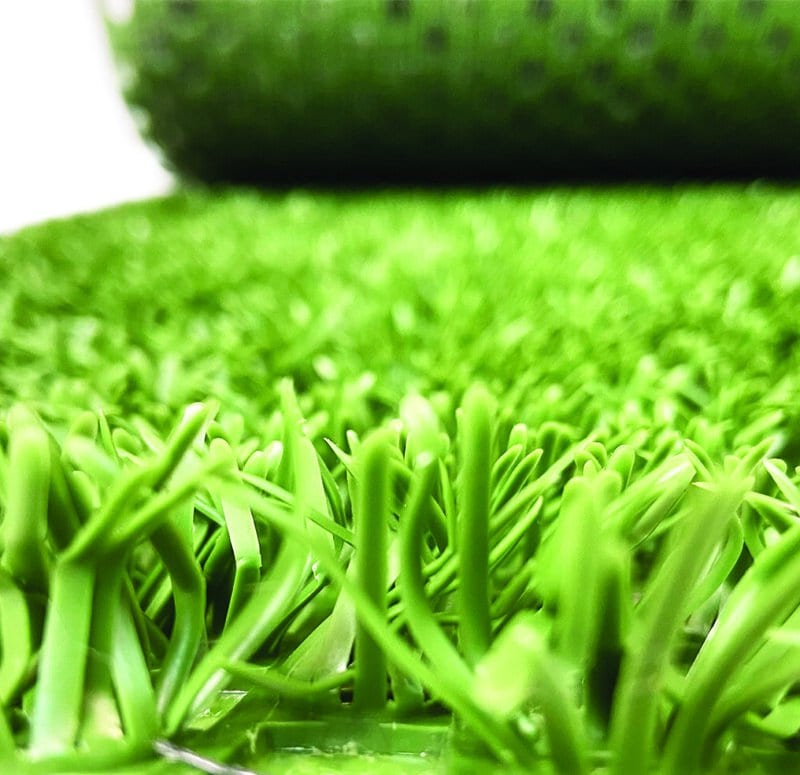
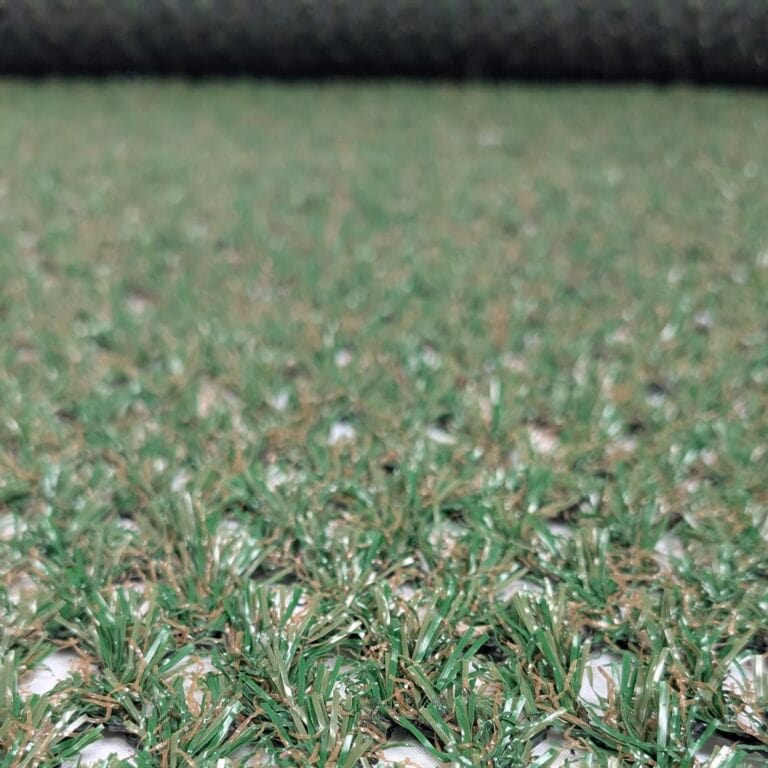
DuraGrass is a protective, perforated, grass-like reinforcement layer that lays over the soil. Your chosen grass or clover blend grows through it, while the DuraGrass layer helps protect the crown, roots, and soil surface from direct wear.
So when kids run across the same backyard path, when guests step off the patio in the same place, or when the mower turns in front of the shed every week, the living ground cover is no longer taking all of that abuse by itself.
That is the real advantage.
You can choose the grass or clover option that fits your climate and yard conditions, then use DuraGrass only in the areas that get repeated wear. You do not need to reinforce the whole yard. You only need to protect the spots where the yard keeps breaking down.
Think of it like adding a wear layer where your lawn takes the most abuse.
For many high-traffic lawn areas, that extra protection can make the difference between grass that keeps getting worn down to soil and a living surface that has a better chance to recover.
Protection Matters in Every Season
Most homeowners think about lawn repair in spring, when the yard starts waking up.
But high-traffic areas need protection all year.
Spring:
Grass and clover are starting to grow again. DuraGrass helps protect new growth while the area fills in and recovers from winter wear.
Summer:
Heat and drought can slow growth or push some grasses into dormancy. When grass is stressed, it has less ability to repair itself. DuraGrass helps protect the surface during the months when traffic can do more lasting damage.
Fall:
For many cool-season lawns, fall is the best recovery season. DuraGrass helps protect the area while grass thickens, roots strengthen, and worn spots begin to rebuild.
Winter or dormant season:
When grass is dormant, it is not actively repairing itself. The blades may be brown, but the crown and soil surface still matter. DuraGrass helps reduce direct surface abuse during a season when the plant has less ability to bounce back.
DuraGrass does not prevent dormancy. It does not keep dormant grass green. It does not replace good lawn care.
It helps protect the living surface through the seasons, including the months when grass is most vulnerable.
So, What Is the Best Grass or Clover Option for High-Traffic Areas?
The best choice depends on your region and your yard conditions.
If you are in a cool-season or transition-zone climate, tall fescue, Kentucky bluegrass, or a seed mix that includes perennial ryegrass may make sense.
If you are in a warm-season climate with full sun, bermudagrass or zoysiagrass may be stronger choices.
If you want a more natural lawn look and can accept some flowers and variation, clover may be worth considering as part of a lawn mix.
But if the area gets repeated wear, the plant choice is only part of the answer.
The better approach is:
Choose the right grass or clover mix for your climate.
Prepare the soil so roots can grow.
Give new growth time to establish.
Then reinforce the high-wear zones that keep failing.
That is the DuraGrass approach.
It lets you keep the yard natural, green, and living, while giving the most abused spots more protection than the plant alone.
Final Takeaway
If you are trying to fix a worn lawn area near the patio, shed, deck steps, or swingset, you probably do not need a long list of unusual groundcovers.
You need the right grass or clover option for your climate, plus protection in the spot that keeps getting beaten down.
For many homeowners, that means choosing a durable grass seed mix, sod, or clover blend, then reinforcing the concentrated wear area with DuraGrass.
The right plant matters.
But in the places your yard gets used the most, protection matters too.
DuraGrass gives homeowners a way to protect those high-use zones without giving up on a real, living lawn. It is the middle ground between reseeding the same spot again and replacing part of your yard with mulch, gravel, concrete, or traditional artificial turf.
Choose the living surface that fits your yard.
Then protect the place where nature needs backup.